ServicesAuto Protection Warranty
Auto Protection Warranty in Richmond
An auto protection warranty pays for covered repairs once your factory coverage runs out. We help you weigh what a plan costs today against what your car is likely to need over the years you keep it, so the coverage still makes sense at year five.
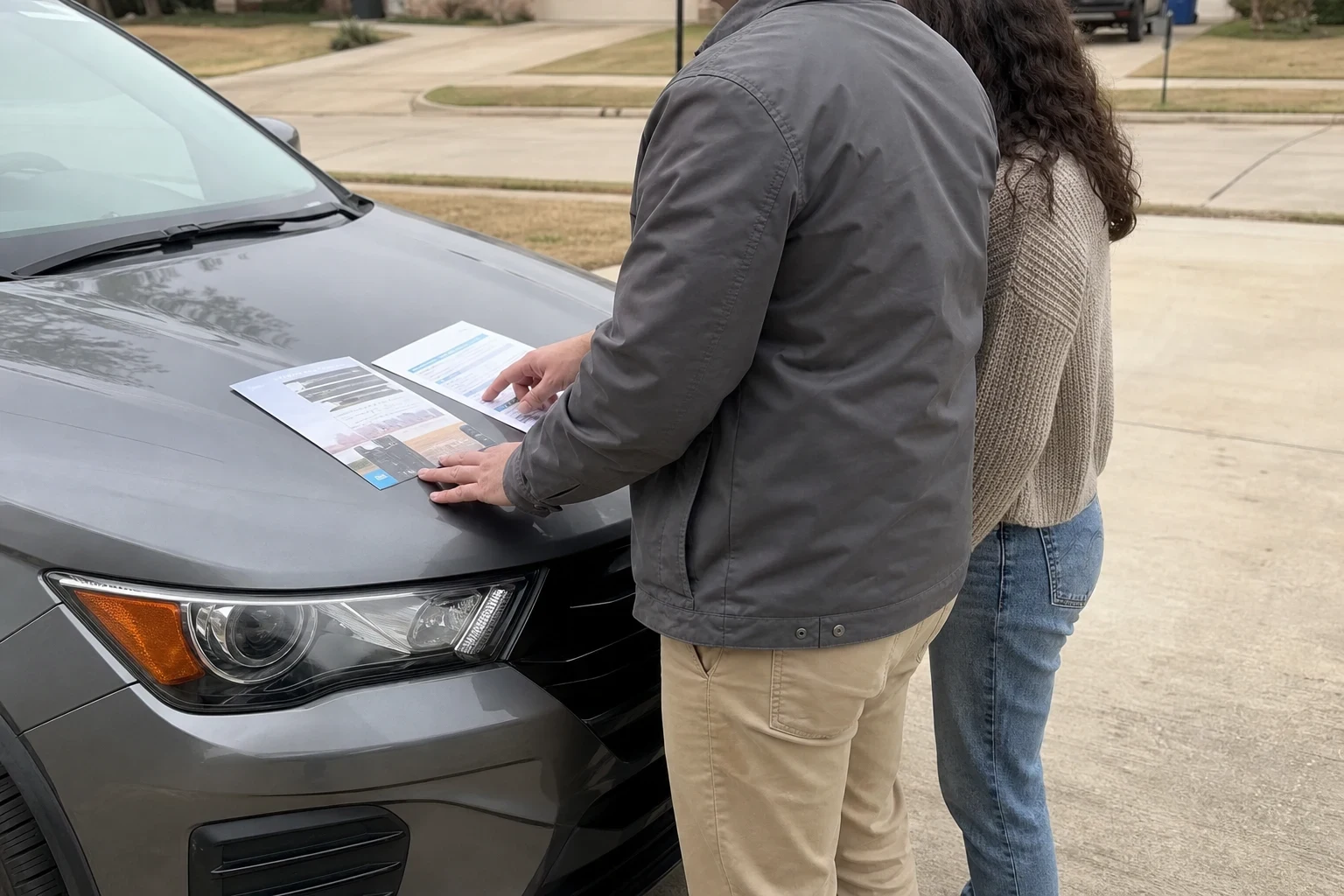
What an auto protection warranty does for you
On paper, it is a vehicle service contract. When a part listed in the contract breaks down, the plan covers that repair bill at the shop, minus the deductible you picked at signup. It deals with mechanical and electrical breakdown only. Damage from a wreck, hail or flooding stays with the policy you already carry for driving.
The right plan depends on the car and on you. A three-year-old SUV you plan to drive for another seven years needs different coverage than a high-mileage sedan you hope to get through two more summers. We look at the vehicle, its mileage and the repairs that model tends to need, then show you which plans earn their cost over that stretch and which ones do not.
For drivers across Richmond, Rosenberg and Sugar Land, the long, hot season is hard on air conditioning, cooling systems and electrical parts. Those are the repairs worth checking closely in any contract you consider.
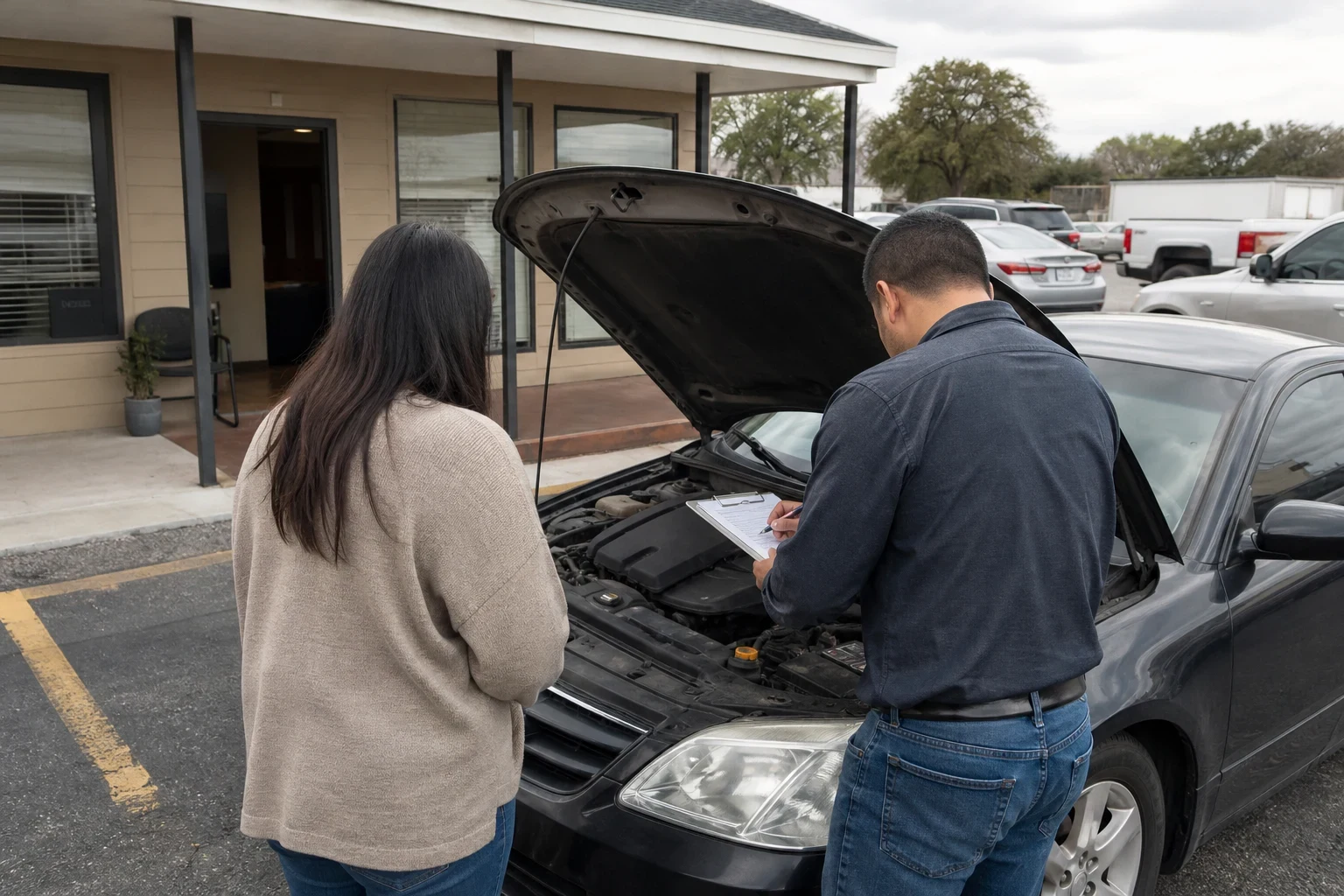
What a plan can cover
- 01
Engine and transmission
The powertrain is the core of most plans: internal engine parts, the transmission and the drive axles. These are the repairs that can run into the thousands, and they are where coverage pays back fastest.
- 02
Air conditioning and cooling
Compressors, condensers, water pumps and radiators work hard here. Higher coverage levels usually include them, and we will show you exactly where each plan draws the line.
- 03
Electrical and electronics
Modern cars rely on sensors, control modules and power accessories. Repairs to these parts are often expensive for their size, so we point out which plans list them and which leave them out.
- 04
Roadside assistance
Roadside assistance comes covered under the warranty, so help with a tow, a dead battery or a flat tire is part of the plan rather than a separate bill.
- 05
Steady payments over the term
Flexible payment options let you cover the plan in even monthly amounts rather than one lump sum. That keeps the cost easy to set beside your other regular bills.
Questions about Auto Protection Warranty?
Call(832) 979-4262When protection starts to make sense
Factory coverage is close to expiring
After the original warranty lapses, each repair is yours to pay. Picking a plan before that point tends to open more choices and avoids a gap in coverage.
The odometer keeps climbing
Higher mileage brings wear on seals, bearings and pumps. If you put long commuting miles on your car each week, those repairs arrive sooner.
One repair would strain the budget
If a sudden transmission or AC bill would mean skipping other expenses, a steady monthly payment can be easier to plan around than a single large invoice.
You plan to keep the car for years
The longer you own a vehicle past its factory coverage, the more chances a plan has to pay for itself. That is the comparison we walk through with you.
How we set up your coverage
- 1
A conversation about your car
We talk by phone, by video or at our office. We ask for the year, make, model, mileage and how long you expect to keep driving it.
- 2
Plans laid out side by side
You see each coverage level with what it includes, what it excludes, the deductible and the term. We explain the waiting period and any inspection a contract requires before it begins.
- 3
The long-term math
We compare what each plan costs over its full term with the repairs your vehicle is likely to face in that time. Sometimes a lighter plan is the better value, and we will say so.
- 4
Your choice, then your paperwork
Once you pick a plan, we set up the payments and go through the contract with you. You will know how to start a claim and who to contact before you ever need to.
What moves the cost of your coverage
Every quote is built around your vehicle and the coverage level you pick, so two drivers can see very different numbers. The cost tracks how likely your car is to need repairs and how much of that risk the contract takes on. We walk through each part so nothing in the quote is a mystery.
- Vehicle age and mileage
- Newer, lower-mileage cars cost less to cover. Older vehicles can still qualify, but the price reflects the repairs that come with age.
- Make and model
- Parts and labor costs vary widely between brands. Luxury and specialty vehicles usually cost more to protect than common models.
- How much of the car is protected
- The least expensive tier sticks to the engine, transmission and drivetrain. Plans that reach most of the car's components sit higher. The real decision is which repair bills you would rather hand off.
- Term and deductible
- Longer terms and lower deductibles raise the price. A higher deductible can lower it, which works well if you mainly want protection from the big repairs.
Common questions before choosing a plan
Will this plan pay for damage from a wreck?
No. Damage from a crash, storm or theft is handled by the policy you carry for driving. A protection warranty is a vehicle service contract for parts that wear out or fail on their own. Drivers who keep a car well past its factory coverage often have both, since each one pays for a different kind of problem.
Can I take my car to my usual mechanic?
Many contracts let you use any repair shop that meets the plan's standards, while some ask you to use specific shops. We tell you what each plan allows before you choose, so you are not surprised when your car needs work.
Does it cover oil changes and brake pads?
Usually not. Routine maintenance and wear items like brake pads, wipers and tires fall outside most plans. Keeping up with maintenance also matters, because many contracts expect records showing the car was cared for.
My car has high mileage. Can I still get coverage?
Often, yes. Eligibility depends on the plan and the vehicle. We will tell you plainly which options are open to your car and whether the coverage is worth its cost at that mileage.
How does this differ from your other plans?
Our Car Extended Warranty is about carrying coverage past the end of the factory term. Our Auto Repair Warranty is built around paying for named repairs when they come up. An auto protection warranty reaches further across the whole vehicle, and on one call we can set all three next to each other for your car.
See which plan fits the years ahead
Tell us about your car and how long you plan to drive it. We will lay out the options and the long-term numbers, with no obligation to buy.